
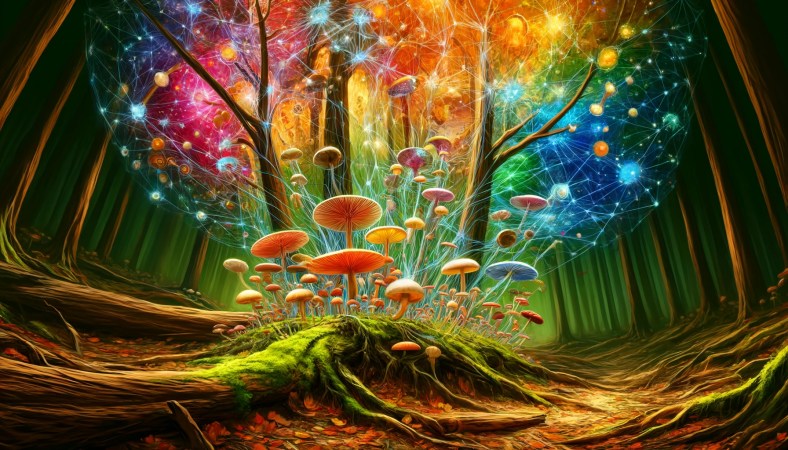
Deep within the heart of the forest, a hidden kingdom thrives, often overlooked by the casual observer. This is the realm of fungi, a diverse and enigmatic group of organisms that play a vital role in maintaining the delicate balance of forest ecosystems. From the familiar sight of mushrooms pushing through the leaf litter to the intricate networks of mycelium beneath the soil, fungi are the unsung heroes of the woodland world.
The diversity of fungi is truly staggering, with estimates suggesting that there may be over 5 million species worldwide. This incredible variety is reflected in the myriad forms and shapes they take, from the classic cap-and-stem structure of mushrooms to the more unusual cup-shaped and star-shaped fruiting bodies. Each species has its own unique characteristics and adaptations, contributing to the rich tapestry of life within the forest.
Beyond their visual appeal, fungi play a crucial role in the ecological functioning of forests. They are nature’s decomposers, breaking down dead organic matter and recycling nutrients back into the soil. Without these tireless workers, the forest floor would be littered with fallen leaves, branches, and other debris, hindering the growth of new life. Fungi are the ultimate recyclers, ensuring that the cycle of life continues uninterrupted.
But fungi’s contributions extend far beyond their role as decomposers. Many species form symbiotic relationships with plants, known as mycorrhizal associations. In these mutually beneficial partnerships, fungi colonize the roots of plants, helping them absorb water and nutrients from the soil. In return, the plants provide the fungi with carbohydrates, fueling their growth and reproduction. This underground alliance is essential for the health and resilience of forest ecosystems, enabling plants to thrive in challenging conditions and withstand environmental stresses.
Throughout the year, fungi make their presence known in the forest, with different species appearing at various times. Some, like the velvet shanks, can be found from autumn to spring, their velvety caps a splash of color against the muted hues of the winter woodland. Others, like the chanterelles and porcini, are most abundant in the fall, when the forest floor is carpeted with a kaleidoscope of mushrooms in every shape and hue. This seasonal abundance is a boon for foragers, who venture into the woods in search of edible treasures.
However, the world of fungi is not without its challenges. Forest mismanagement, such as clear-cutting and monoculture plantations, can have devastating effects on fungal communities. These practices disrupt the delicate balance of the forest ecosystem, destroying the habitats and host plants upon which many fungi depend. Climate change, too, poses a significant threat, altering temperature and precipitation patterns, which can impact the growth and reproduction of fungal species.
To protect the wondrous world of fungi, it is essential that we adopt a mindful approach to forest management and conservation. By preserving diverse forest habitats, we not only safeguard the future of fungal species but also ensure the health and resilience of the entire forest ecosystem. This requires a shift in our perspective, recognizing the value of fungi not just as a source of food or medicine but as integral components of the complex web of life that sustains our forests.
In conclusion, the world of fungi is a fascinating and vital aspect of forest ecology. From their incredible diversity to their essential roles as decomposers and symbionts, fungi are the unsung heroes of the woodland realm. By shining a light on these often-overlooked organisms, we can deepen our appreciation for the intricate balance of life within our forests and strengthen our resolve to protect these precious ecosystems for generations to come. The next time you walk through the woods, take a moment to marvel at the hidden kingdom beneath your feet and remember the crucial role that fungi play in maintaining the beauty and vitality of the forest.





Add comment