
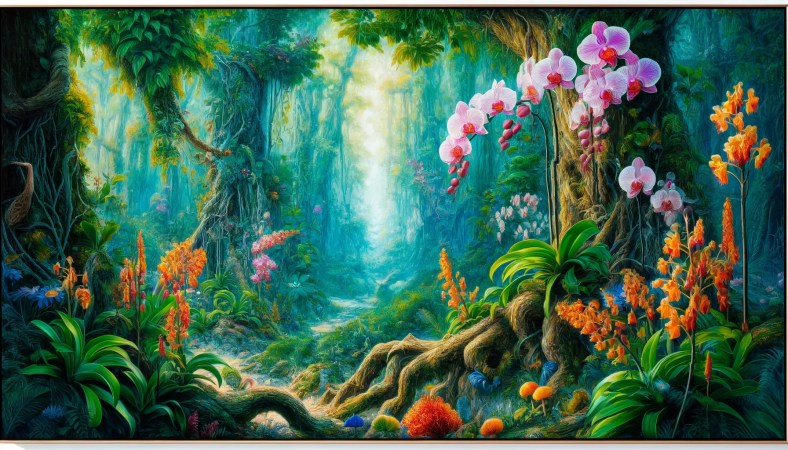
In the lush depths of forests around the globe, a captivating family of plants has evolved to become one of the most diverse and alluring in the world – the orchids. With their exquisite beauty, incredible adaptability, and fascinating ecological relationships, orchids have long been a source of wonder and inspiration for botanists, enthusiasts, and nature lovers alike. Join us on a journey into the enchanting realm of orchids, as we explore their diversity, uncover their secrets, and discover the challenges they face in an ever-changing world.
Orchids are a true testament to the incredible variety of life on Earth. With over 25,000 known species, and estimates suggesting there could be up to 40,000, they are one of the largest and most diverse plant families in existence. From the misty rainforests of the tropics to the temperate woodlands of cooler climates, orchids have adapted to thrive in an astonishing range of habitats, each species bearing its own unique combination of colors, shapes, and fragrances.
The tropical regions of the world are particularly rich in orchid diversity, with countries like Colombia, Ecuador, and Papua New Guinea boasting thousands of species. In these lush landscapes, orchids can be found in every nook and cranny of the forest, from the forest floor to the canopy high above. Some, like the delicate lady’s slipper orchids, prefer the dappled shade of the understory, while others, like the flamboyant cattleyas, bask in the bright sunlight that filters through the treetops.
But orchids are more than just a pretty face; they play crucial ecological roles in the forests they inhabit. Many species form intricate symbiotic relationships with fungi, a partnership that is essential for their survival. The fungi colonize the orchid’s roots, helping the plant absorb water and nutrients from the soil. In return, the orchid provides the fungi with sugars and other compounds, creating a mutually beneficial relationship that has evolved over millions of years.
These fungal partnerships are particularly important for orchids that grow on trees, known as epiphytes. Without access to soil, these orchids rely on their fungal allies to gather the resources they need from the air and rainwater that surrounds them. The relationship is so crucial that many orchid seeds won’t even germinate without the presence of the right fungal partner, a testament to the deep evolutionary ties between these two groups of organisms.
Orchids also play a vital role in the complex web of life that makes up a forest ecosystem. Their flowers, which come in a dizzying array of shapes, sizes, and colors, are perfectly adapted to attract specific pollinators, from tiny flies to large butterflies. Some orchids, like the remarkable bucket orchids of Southeast Asia, even go so far as to lure insects with the promise of a sweet reward, only to trap them temporarily to ensure pollination. These elaborate pollination strategies not only ensure the orchid’s reproduction but also support a wide range of insect life, which in turn feeds birds, reptiles, and other animals in the forest.
Despite their ecological importance and captivating beauty, orchids face numerous threats in the wild. Habitat loss, driven by deforestation, agriculture, and urban expansion, is the primary threat to orchid populations worldwide. As forests are cleared and fragmented, orchids lose the specific conditions they need to survive, from the right levels of humidity and sunlight to the presence of their fungal partners. Climate change, too, poses a significant challenge, altering temperature and rainfall patterns in ways that can disrupt the delicate balance of orchid ecosystems.
Human activities also take a direct toll on orchid populations. The illegal collection of wild orchids for the horticultural trade has pushed many species to the brink of extinction, as unscrupulous collectors strip entire populations from their native habitats. Even well-meaning enthusiasts can inadvertently harm orchids by trampling them underfoot or disturbing their delicate forest homes.
Faced with these challenges, the conservation of orchids has become a global priority. Efforts to protect orchid habitats, from creating protected areas to promoting sustainable forestry practices, are crucial for ensuring the long-term survival of these incredible plants. Scientists and conservationists are also working to study and document orchid diversity, with the goal of identifying and protecting the most vulnerable species before they disappear forever.
But orchids are more than just objects of scientific interest; they are deeply woven into the cultural fabric of human societies around the world. In many traditional cultures, orchids are revered for their beauty and symbolic meaning, with different species associated with love, fertility, and spiritual growth. In countries like China and Japan, orchids have been cultivated for centuries as ornamental plants, prized for their delicate flowers and graceful forms.
Even in the modern world, orchids continue to captivate and inspire us. From the corsages worn at weddings to the exotic blooms that grace our homes and offices, orchids have become a symbol of beauty, refinement, and the wonders of the natural world. As we strive to protect and conserve these incredible plants, we also celebrate the joy and enchantment they bring to our lives.
In the end, the story of orchids is a story of resilience, adaptability, and the incredible diversity of life on Earth. From their humble beginnings as tiny seeds drifting in the wind to their status as some of the most iconic and beloved plants in the world, orchids have captured our hearts and minds like few other organisms. As we continue to explore the enchanting realm of orchids, let us be mindful of our role as stewards of these precious plants and the forests they call home. By protecting orchids and their habitats, we not only ensure their survival but also preserve a vital part of our planet’s natural heritage for generations to come.







Add comment