
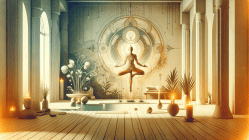
Reiki is a form of alternative therapy commonly referred to as energy healing. Originating from Japan in the early 20th century, Reiki involves the transfer of universal energy from the practitioner’s palms to their patient. The name derives from the Japanese words “rei” (universal) and “ki” (life energy). This practice is based on the idea that everyone has a “life force energy” flowing through them, and that one’s health and vitality can be affected by the balance of this energy.
The Foundations of Reiki
Reiki is rooted in the belief that by channeling universal energy, practitioners can support healing and balance in others. It’s often used to lessen stress and promote relaxation, but many practitioners and recipients believe it can also help heal physical and emotional ailments. Unlike many conventional medical techniques, Reiki is a holistic approach, focusing on healing the mind, body, and spirit.
How Reiki Works
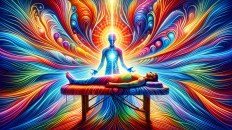
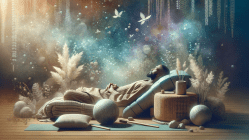
During a Reiki session, the practitioner places their hands lightly on or just above the person receiving treatment, with the intent to facilitate the person’s own healing response. The recipient remains fully clothed, and the energy is transferred through a series of hand positions corresponding to various body parts and energy centers known as chakras. The treatment is said to invoke a sense of tranquility and well-being, often leading to profound relaxation and a positive shift in consciousness.
Levels of Reiki Training
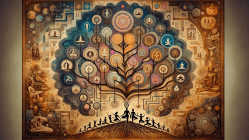
Reiki is divided into several levels of expertise, starting from a beginner level and progressing to master or teacher level. In the first level, practitioners learn the basic techniques of energy healing, hand positions, and self-treatment. The second level often includes learning symbols and techniques to enhance and direct energy, sometimes including distant healing methods. The master level focuses on teaching and passing on the ability to attune others to Reiki energy.
Variations of Reiki
While the traditional Japanese Reiki remains the core of the practice, various offshoots and interpretations have developed. These might include adaptations like Angel Reiki, which combines Reiki with angelic guidance, or Karuna Reiki, a type that focuses on compassionate action and healing. Despite variations, the essence of Reiki as a healing art focused on energy and balance remains consistent.
Reiki in Healthcare
Reiki has been embraced by some in the healthcare community, used alongside conventional medical treatments for a variety of conditions. It’s seen as a complement to traditional treatment plans, especially for pain management, relaxation, and improving overall well-being. While scientific evidence on the effectiveness of Reiki is mixed, many individuals report significant improvements in their physical and emotional health following Reiki treatments.
The Appeal of Reiki
Reiki’s growing popularity can be attributed to its non-invasive nature and its adaptability to various settings, including hospitals, private practices, and home health. It requires no specific belief system or spiritual affiliation to practice or receive, making it accessible to a broad audience. Many are drawn to its gentle yet profound ability to promote healing and balance, seeking both physical relief and spiritual growth. As a practice, Reiki represents a commitment to personal well-being and a journey towards holistic health, reflecting a universal desire for healing and peace.







Add comment