
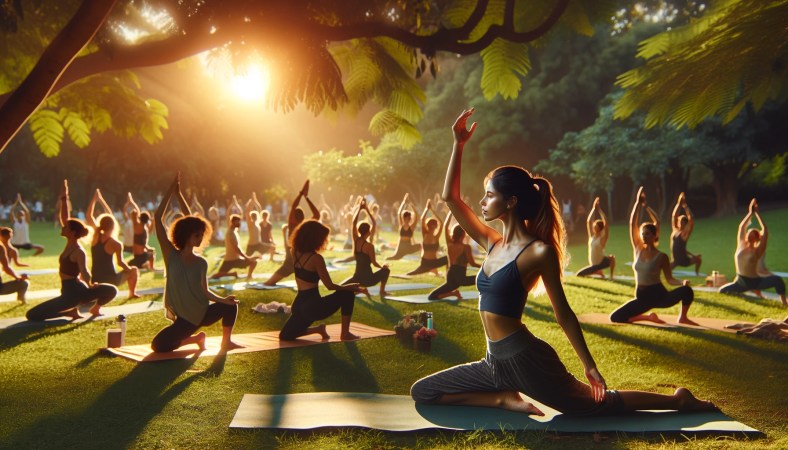
10 Things to Know About Vinyasa Yoga
Vinyasa Yoga, known for its fluid, movement-intensive practices, blends flexibility, strength, and mindfulness into a dynamic yoga experience. If you’re considering diving into Vinyasa, or just want to deepen your understanding, here are ten essential aspects to know:
- Definition of Vinyasa Vinyasa means “to place in a special way” and refers to the coordination of movement and breath. This synchronization leads to smooth transitions between poses, creating a flowing sequence that is almost dance-like.
- Roots in Ashtanga Yoga Vinyasa Yoga has its roots in Ashtanga Yoga. This relationship is evident in the emphasis on continuous movement, though Vinyasa allows for more variety and creativity in sequencing.
- Breath is Central The breath acts as an anchor linking your movements and your awareness. In Vinyasa, inhales and exhales correspond to movements and transitions, helping to enhance focus and movement control.
- No Two Classes are the Same Unlike some yoga styles with set sequences, Vinyasa classes can vary greatly depending on the instructor, making each class a unique experience. This variety can keep the practice fresh and challenging.
- Boosts Physical and Mental Flexibility Regular practice not only improves physical flexibility and strength but also enhances mental resilience. The constant change in routines requires adaptability and presence of mind.
- Accessible to All Levels Vinyasa Yoga is inclusive, offering modifications for beginners and more complex variations for advanced practitioners. Everyone can move at their own pace and according to their own breath pattern.
- Therapeutic Benefits The practice is known for its ability to relieve stress, improve circulation, and boost immunity. The meditative flow of Vinyasa can also aid in reducing anxiety and enhancing mood.
- Emphasis on Continuous Learning Vinyasa encourages personal exploration and learning. Each session is an opportunity to explore different aspects of physical and spiritual health.
- Community and Connection Many practitioners find a strong sense of community in Vinyasa classes, as the shared rhythm and flow create a collective energy that is both uplifting and motivating.
- Spiritual Components Vinyasa Yoga not only focuses on physical postures but also incorporates spiritual elements. Themes such as the chakras, mindfulness, and the practice of drishti (focused gaze) are often integrated into sessions.
Vinyasa Yoga is a dynamic and exhilarating way to cultivate physical health and mental clarity. Whether you’re seeking a vigorous physical challenge or a meditative flow, Vinyasa offers a flexible and inclusive approach to fitness that resonates with the modern yogi’s lifestyle. It invites practitioners to live in the moment, breathe deeply, and move with purpose.



Add comment