
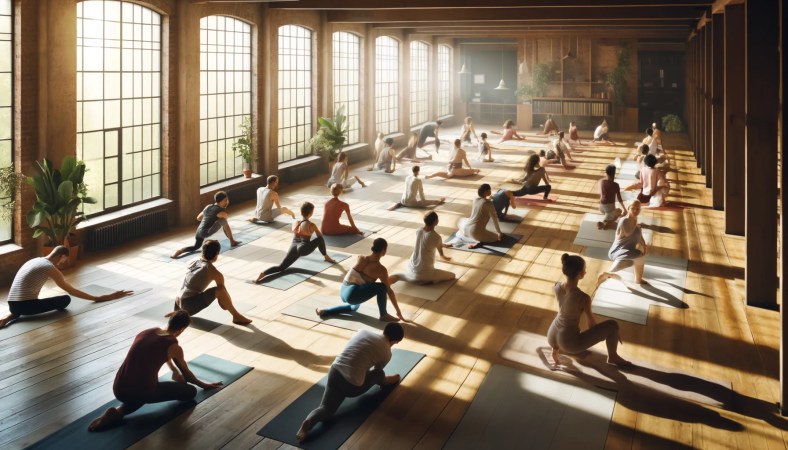
Ashtanga Yoga is a dynamic, physically demanding practice that combines strength, flexibility, and stamina in a unique sequence of poses. Developed in the early 20th century by Sri K. Pattabhi Jois in Mysore, India, this method of yoga is rooted in the Yoga Korunta, an ancient text that Jois learned from his teacher, T. Krishnamacharya. Ashtanga Yoga is known for its structured approach and has gained widespread popularity for its ability to provide a thorough physical workout while also promoting inner peace and discipline.
Origins and Philosophy
The foundational philosophy behind Ashtanga Yoga stems from the ancient Indian text, the Yoga Sutras of Patanjali, which outlines the eight limbs or steps to achieve yoga, or union. These steps include moral and ethical guidelines, postures, breath control, sense withdrawal, concentration, meditation, and finally, samadhi, which is a state of spiritual ecstasy. Ashtanga Yoga focuses predominantly on the third limb, asana or postures, which are designed to purify the body and prepare the mind for deeper spiritual practices.
The Practice
Ashtanga Yoga is characterized by its use of vinyasa, a method where movements are synchronized with the breath. This synchronization heats the blood, cleaning and thinning it so that it may circulate more freely. The benefits of this process include improved circulation, a light and strong body, and a calm mind.
The practice is divided into six series, each increasing in difficulty. The Primary Series, called Yoga Chikitsa, detoxifies and aligns the body. The Intermediate Series, Nadi Shodhana, purifies the nervous system by opening and clearing the energy channels. Subsequent series continue to build on the strength, flexibility, and purification of the body and mind.
A Typical Class
A typical Ashtanga class begins with Sun Salutations (Surya Namaskara A and B), followed by one of the six series of poses, and ends with a set finishing sequence. This structure is strictly adhered to and taught in a traditional Mysore-style class, where students practice at their own pace while a teacher gives individual guidance and adjustments. This self-led approach not only allows students to work at their own level and pace but also deepens their personal discipline and understanding of the practice.
Physical and Mental Benefits
Physically, Ashtanga Yoga builds core strength and flexibility through its demanding poses. The constant movement from one pose to the next, guided by deep, steady breaths, helps develop a stronger cardiovascular system. Mentally, the practice challenges individuals to focus and remain present, thereby reducing stress and anxiety.
Spiritual Growth
Beyond the physical practice, Ashtanga Yoga offers a pathway to deeper spiritual exploration. The discipline and focus required mirror the mental discipline needed to cultivate spiritual awareness and insight. Regular practitioners often report a greater sense of peace and a deeper connection to their spiritual life as a result of their practice.
Ashtanga Yoga is not just a form of exercise but a comprehensive system that nurtures the body, mind, and spirit. Whether one seeks physical health, mental clarity, or spiritual depth, Ashtanga offers a structured and supportive path toward achieving these goals. As the practice continues to spread globally, it attracts individuals from all walks of life, all drawn to its rigorous yet rewarding nature.


Add comment